Duke Capital is licensed and regulated by the Securities and Exchange Commission.

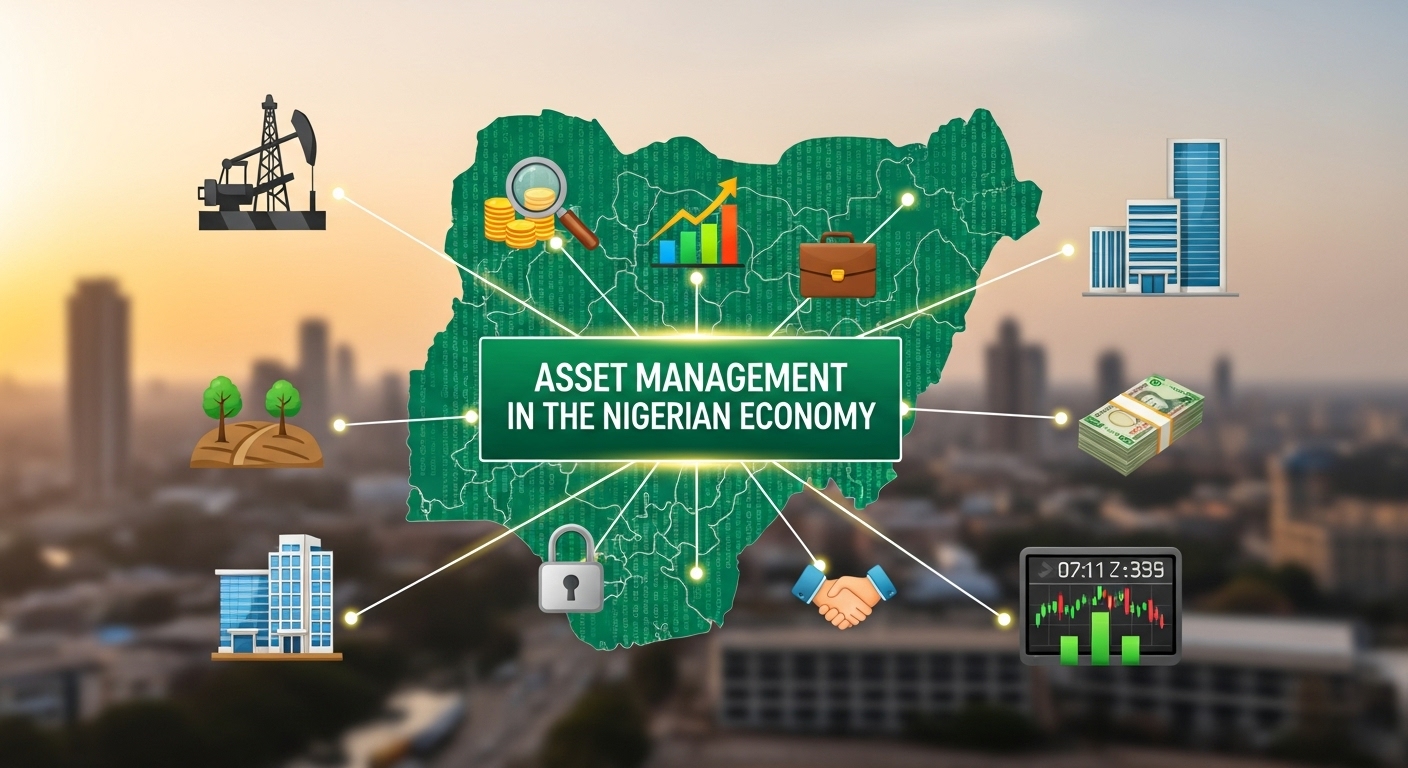

In an economy marked by inflation, currency devaluation, and global uncertainty, the concept of asset management has never been more critical — especially here in Nigeria. For many professionals, entrepreneurs, and high-net-worth individuals, the challenge isn’t merely earning money; it’s preserving, growing, and strategically deploying it. That’s where asset management comes in.
What Is Asset Management?
At its core, asset management is the process of developing, operating, maintaining, and selling investments in a way that maximizes returns over time. This may include traditional assets like stocks and bonds, alternative assets like real estate or private equity, and even cash management strategies. The key is that every asset must work together toward a broader goal: financial growth and preservation.
Why Asset Management Matters in Nigeria Today
Nigeria’s financial landscape presents both challenges and opportunities. Currency volatility, fluctuating interest rates, and limited access to foreign markets make it essential to have a structured plan. Asset management helps investors navigate these waters by offering:
- Diversification: Spreading investments across different asset classes reduces exposure to any single point of failure.
- Risk Management: Experienced managers understand how to mitigate risks through strategic positioning and hedging.
- Inflation Protection: Proper asset selection can help guard against the eroding value of the naira.
- Discipline and Planning: Asset managers provide a long-term view that removes the emotion and guesswork from investment decisions.
Common Misconceptions
Many assume asset management is only for the ultra-wealthy. That’s a myth. While high-net-worth individuals benefit immensely from structured asset management, so too do professionals and SMEs looking to scale wealth efficiently. It’s not about how much you earn, but how well you manage what you have.
A Shift from Saving to Strategizing
Traditional saving models — holding cash in a bank account or informal investments — are no longer sufficient. With rising inflation, money left idle loses its value over time. Asset management, by contrast, offers a proactive path toward financial security and generational wealth.
Partnering with Professionals
Working with an asset management firm like Duke Capital ensures your money is guided by seasoned professionals who understand the nuances of the Nigerian and African markets. With bespoke solutions and a client-first philosophy, we help you make sense of a complex financial world.
Final Thoughts
In today’s economy, managing wealth requires more than good intentions — it requires strategy, insight, and agility. Asset management isn’t a luxury; it’s a necessity. Whether you’re just starting out or looking to refine your investment portfolio, now is the time to rethink how your assets are working for you.
If you’re ready to take the next step in your wealth journey, speak to an advisor at Duke Capital today. We’re here to help you build, grow, and preserve your wealth — with clarity and confidence